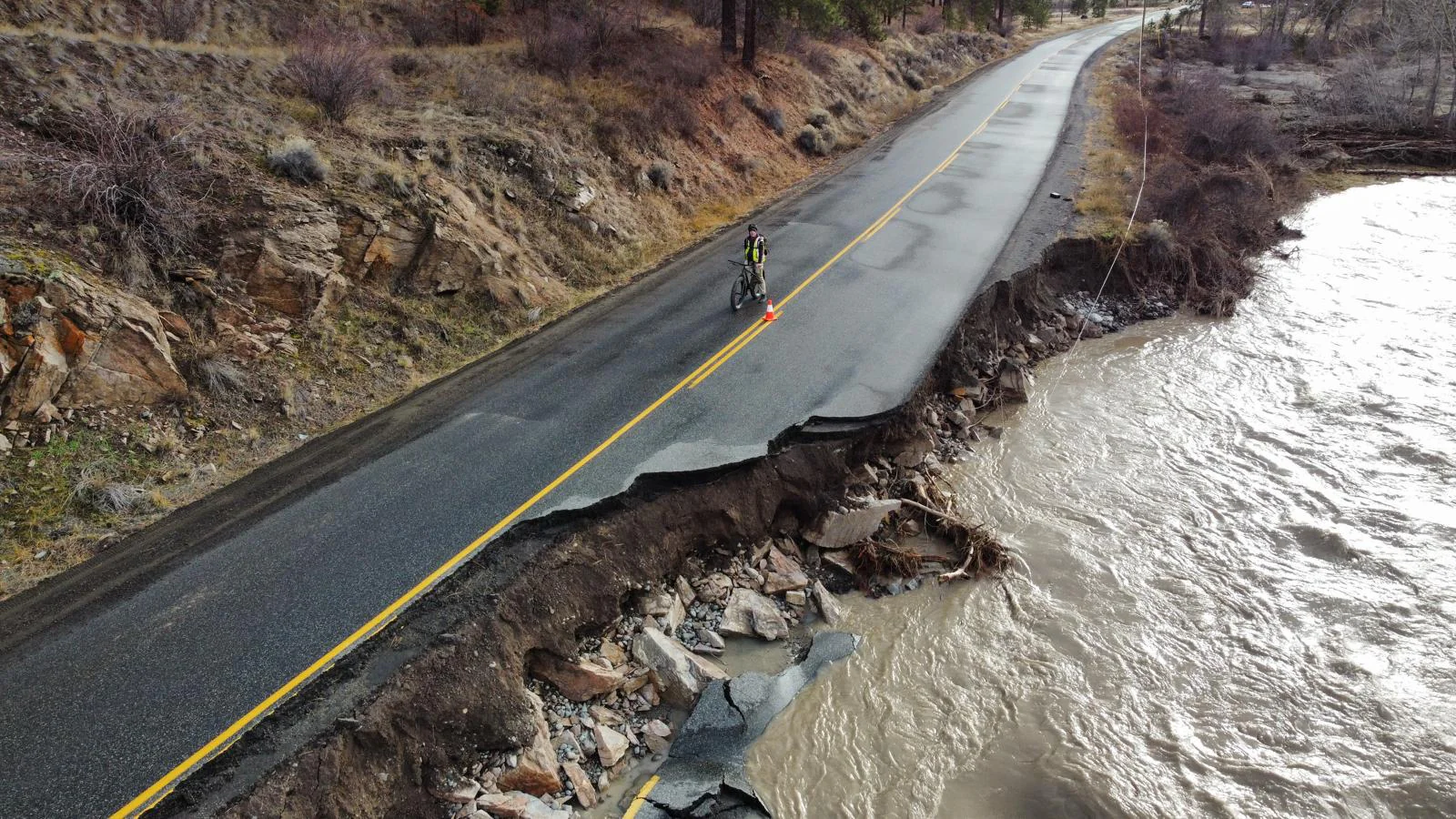
Slope stability assessments are a core part of geotechnical engineering, especially in regions like British Columbia where terrain varies from steep coastal bluffs to glacial valleys and urban embankments. These evaluations help determine whether natural or constructed slopes are likely to remain stable under current and future conditions.
DMC undertakes the following as part of a slope stability assessment:
- Site Characterization: We review geological maps, aerial imagery, borehole data, and CPT results to understand soil and rock types, groundwater conditions, and slope geometry
- Analysis: We use techniques such as the Limit Equilibrium Method (LEM) and Finite Element Method (FEM) to calculate the Factor of Safety (FoS), which indicates how close a slope is to failure. DMC uses industry standard software (e.g. SLIDE) to undertake these assessments. Analyses are undertaken with consideration of the EGBC landslide guidelines
- Key Influencing Factors: We know that slope behavior is influenced by cohesion, friction angle, pore water pressure, external loading, and rainfall patterns and as such, groundwater conditions are especially critical. Rising pore pressures can reduce shear strength and trigger slope movement
- Failure Modes: We consider potential mechanisms such as shallow slips, deep-seated rotational failures, rockfalls, and debris flows. Each failure mode requires a different mitigation strategy
- Mitigation Planning: In conjunction with the client, DMC develops mitigative measures to improve the FoS. This may include drainage improvements, slope regrading, retaining structures, or reinforcement systems such as soil nails and ground anchors.
Slope stability evolves with weather conditions, construction activity, and groundwater changes. Ongoing monitoring and reassessment are often essential for long-term site management.
If you are working on a site with steep terrain, sensitive infrastructure, or a history of instability, a slope stability assessment is essential for safe design and effective risk mitigation.